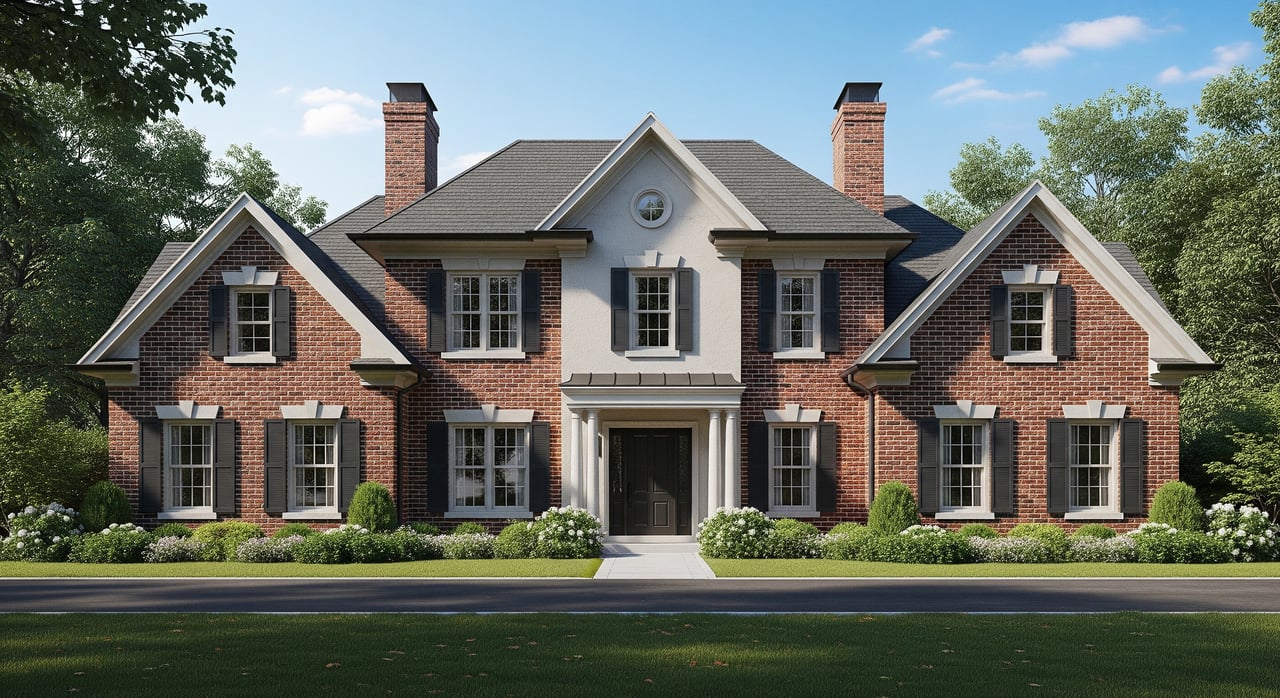
Thinking about buying your first rental in Monroe? You want steady income without surprises and a clear plan for how to get there. This guide walks you through the basics specific to Monroe in Butler County, from choosing the right property type to estimating rent, budgeting expenses, and performing due diligence. You will leave with a step-by-step checklist, local links, and a conservative framework you can trust. Let’s dive in.
Why Monroe works for rentals
Monroe sits in Butler County within the Cincinnati metro, with demand supported by commuting access and nearby employment hubs. That mix often creates consistent tenant interest for well-kept homes with fair pricing. To understand local demographics, household sizes, and incomes as you plan, review the U.S. Census Bureau’s American Community Survey for context and trends. You can explore high-level data on the ACS overview page to frame your assumptions.
- Reference: Explore the American Community Survey for demographics and housing data via the Census Bureau.
Property types to consider
Choosing the right property type shapes your risk, returns, and management load. Here is how conservative investors often think about each option.
Single-family homes (SFR)
SFRs are the most common starting point. They typically attract longer-term tenants and offer strong resale options. They are simple to manage and finance, and they work well with a conservative plan.
Duplexes and small multi-family
Duplexes and 2–4 unit properties can improve cash flow per dollar invested. If you plan to occupy one unit, some owner-occupant loan programs may apply. Expect more hands-on management and higher maintenance coordination than a single-family home.
Townhomes and condos
Exterior upkeep is often included in HOA coverage, which can simplify maintenance. Weigh the HOA fee and rules carefully. Avoid buildings with rental restrictions, high special assessments, or weak reserves.
Small apartments (5–50 units)
These can scale income but require experienced underwriting and professional management. They also use different lending and valuation metrics. New investors should gain experience before moving into this category.
How to estimate rent in Monroe
Start with process, not guesses. A disciplined approach helps you avoid overestimating income.
- Pull 5–10 nearby comps. Use your agent’s MLS, Rentometer, Zillow Rentals, Trulia, and local classified listings or property managers. Focus on Monroe and similar Butler County submarkets within about ten miles.
- Match apples to apples. Compare by bedrooms, bathrooms, square footage, age and condition, garage, updates, and outdoor space. Note pet policies and utilities included.
- Adjust for differences. Add or subtract for features like an extra bath, a one-car garage, or recent renovations. Keep your adjustments conservative until you learn the local market nuances.
- Cross-check with HUD FMR. Use HUD Fair Market Rents for Butler County as a sanity check for typical 1–4 bedroom ranges. Do not substitute HUD FMR for actual market comps; use it as a guardrail.
- Call a local manager. A quick reality check on rent and time-to-lease can save you from optimistic assumptions.
- Reference: Review HUD Fair Market Rents for Butler County on HUD User.
Know your operating costs
Conservative budgets include every likely expense, even if you hope not to see them all at once. Plan with discipline.
Mortgage payment: principal and interest.
Property taxes: verify current bills and estimated changes using the Butler County Auditor.
Insurance: landlord policy, liability, and flood if required.
Property management: if using a manager, plan for monthly fees and lease-up costs.
Maintenance and repairs: routine upkeep and unit turns.
Capital expenditures: roof, HVAC, windows, and major appliances.
Utilities: any owner-paid water, sewer, gas, electric, or trash.
HOA or condo fees: if applicable.
Vacancy and credit loss: months without payment or uncollected rent.
Admin: licensing, inspections, legal, accounting, and advertising.
Reference: Verify taxes and property details with the Butler County Auditor.
Conservative underwriting rules of thumb
Use these as starting points. Calibrate with your own comps and quotes.
- Vacancy: 5–10 percent of gross potential rent. A conservative midpoint is 7–8 percent.
- Property management: 8–12 percent of collected rent, plus lease-up fees.
- Maintenance and repairs: 5–10 percent of gross rent. Older properties may need more.
- CapEx reserve: plan separately. Many investors set aside $300–$500 or more per unit per year, based on age and condition.
- Expense ratio: many use the “50 percent rule” as a quick screen. That is a rough guide, not a final budget.
- Down payment: many conventional investor loans require mid-teens to mid-twenties percent down. Actual terms depend on lender and borrower profile.
Key metrics you should know
Keep your analysis simple and repeatable. These formulas help you compare apples to apples.
- Gross Scheduled Income (GSI) = Total monthly rent if fully leased.
- Effective Gross Income (EGI) = GSI − vacancy allowance + other income.
- Operating Expenses = All operating costs excluding debt.
- Net Operating Income (NOI) = EGI − Operating Expenses.
- Cash Flow (before taxes) = NOI − Annual Debt Service.
- Cap Rate = NOI ÷ Purchase Price.
- Cash-on-Cash Return = Annual Cash Flow ÷ Total Cash Invested.
- Debt Coverage Ratio (DCR) = NOI ÷ Annual Debt Service. Many lenders want greater than 1.2–1.3.
A simple underwriting example
This hypothetical example shows how to pressure-test a deal. Use your own local numbers.
- Assumptions: 3-bed SFR, target rent $1,900 per month, other income $0. Vacancy at 8 percent. Operating expense ratio at 45 percent of EGI. 20 percent down with a fixed-rate loan.
- GSI: $1,900 per month.
- EGI: $1,900 − 8 percent vacancy = $1,748.
- Operating Expenses: 45 percent of $1,748 = $786.60.
- NOI: $1,748 − $786.60 = $961.40 per month.
- Annualize: NOI is $11,536.80 per year.
- If annual debt service is $9,600, Cash Flow before taxes is $1,936.80 per year.
- DCR: $11,536.80 ÷ $9,600 = 1.20. That is a conservative threshold many lenders accept.
Now stress-test it:
- If vacancy rises 3 points to 11 percent, EGI drops. Recalculate NOI and confirm DCR stays above 1.2.
- If expenses rise 15 percent, does cash flow stay positive?
- If rates increase by 2 percent on a future refinance, what happens to DCR and cash flow?
- Add a $3,000 surprise repair in year 1. Do your reserves cover it without going negative?
If the deal still works under these tests, it is far more likely to perform as expected.
Due diligence steps in Monroe
Local details matter. Confirm the following before you commit.
Rents and sales comps: use 5–10 rental comps and a comparative market analysis. Track days to lease.
Inspections: full home inspection plus pest, HVAC, roof, and sewer scope where applicable.
Taxes and assessments: review history and current bills on the Butler County Auditor site. Ask about any pending changes.
Local ordinances: check the City of Monroe website for rental registration, minimum housing standards, and inspection requirements. Confirm any occupancy or zoning limits that may apply.
Building permits: verify permit needs with Monroe’s building department for electrical, plumbing, or structural work.
Utilities: confirm meter setups and owner-paid utilities. Call providers for estimates if needed.
Title and liens: review the title report and resolve any issues.
Leases and tenants: if tenant-occupied, obtain a copy of the lease and payment history.
Pro forma: build a three-year projection with conservative vacancy and CapEx reserves.
References: City of Monroe municipal website. Ohio landlord-tenant laws are outlined in Ohio Revised Code Chapter 5321.
Maintenance planning that protects cash flow
A proactive plan keeps small problems from becoming expensive emergencies.
- Preventive maintenance: HVAC tune-ups seasonally, gutter cleaning, smoke and CO detector checks, and regular filter replacements.
- Turnovers: deep clean, paint touchups, flooring refresh as needed, test all appliances and HVAC, change bulbs, verify locks and keys.
- Emergencies: define a 24-7 point of contact and target response times for heat, water, and electrical issues.
- Vendor agreements: set scope of work, response times, pricing structure, proof of insurance, warranties, and lien releases.
Budget for both near-term fixes and long-term replacements.
- Maintenance reserve: 5–10 percent of annual gross rent.
- CapEx schedule: plan for roofs at 15–25 years, HVAC at 10–15 years, and water heaters at 8–12 years.
Building your local team
The right vendors and lenders make investing far less stressful.
- Where to look: Monroe Chamber of Commerce, the city’s business directory, and community groups. Ask for referrals in neighborhood forums.
- Vetting: verify licensing and insurance, request three local references, and insist on written estimates and warranties.
- Property managers: ask about monthly fees, lease-up and renewal fees, screening standards, eviction handling, and reporting.
- Lenders: compare community banks, credit unions, and experienced mortgage brokers. Ask about loans for buy-and-hold properties in Butler County and confirm prepayment terms in writing.
Red flags include vague quotes, lack of references, or reluctance to sign a simple service contract.
Financing basics to know
Conservative financing lowers risk and improves staying power.
- Down payment: many conventional investor loans require larger down payments than owner-occupied loans. Expect mid-teens to mid-twenties percent depending on credit and lender.
- House-hack path: FHA loans are for owner-occupants and may allow 2–4 units if you live in one unit. Be sure you understand occupancy rules and mortgage insurance.
- DCR target: many lenders want at least 1.2–1.3 DCR for investment loans.
Next steps
Start by clarifying your criteria, then collect rent comps, request insurance and tax estimates, and build a conservative pro forma. Pressure-test your numbers for vacancy, expenses, rates, and surprise repairs. If the deal still works, move forward with confidence.
If you want local comps, introductions to lenders and managers, or help finding Monroe properties that fit a conservative plan, connect with The Woehrmyer Team. Our neighborhood knowledge across greater Cincinnati and Dayton, plus a team-based approach, makes your first rental purchase smoother and more predictable.
- Explore the American Community Survey for demographic context.
- Check Butler County tax data on the Auditor site.
- Review HUD Fair Market Rents for a rent sanity check.
- Read Ohio landlord-tenant law in the Ohio Revised Code.
- Visit the City of Monroe site for local rental and permit guidance.
The Woehrmyer Team is ready to help you plan and execute your Monroe rental strategy.
FAQs
What property type is best for a first Monroe rental?
- Many first-time investors choose single-family homes or duplexes for broad tenant demand and simpler management, then expand to larger assets after gaining experience.
How do I estimate rent for a Monroe property?
- Pull 5–10 local comps with similar beds, baths, and condition, then cross-check ranges using HUD Fair Market Rents for Butler County to keep assumptions conservative.
What operating expense ratio should I use in underwriting?
- As a quick screen, some use the 50 percent rule of gross rent for operating expenses, then refine each line item with local quotes for taxes, insurance, management, and maintenance.
Do I need a rental license or inspection in Monroe?
- Check the City of Monroe website for current rental registration, inspection, and minimum housing standards, and confirm any updates with the building department before leasing.
Where do I verify property taxes for a potential rental?
- Look up tax history and current assessments on the Butler County Auditor website, and ask about any pending changes that could affect your budget.
What reserves should I keep after closing on a rental?
- A conservative target is 3–6 months of operating expenses plus a separate annual CapEx set-aside to handle big-ticket items without disrupting cash flow.
Can I use an FHA loan to buy a duplex in Monroe and rent one unit?
- FHA loans are for owner-occupants and can be used on 2–4 unit properties if you live in one unit, but you should review occupancy rules and mortgage insurance requirements.
Where can I read Ohio landlord-tenant rules before I invest?
- Review landlord and tenant responsibilities and procedures in Ohio Revised Code Chapter 5321 to understand notices, deposits, and eviction processes.