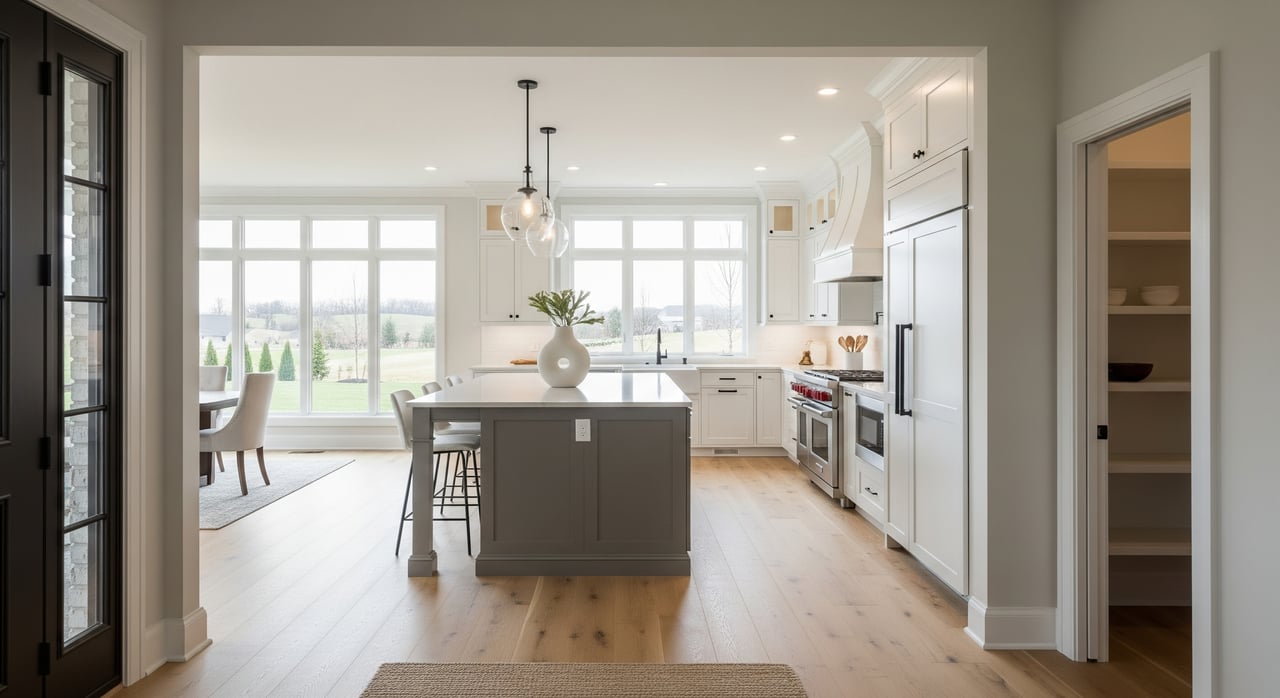
You are almost at the finish line with your new Lebanon home, and the final walkthrough is your moment to make sure everything is ready. It can feel like a lot to check in a short time, especially if you are juggling closing and move dates. This guide gives you a clear, local-first checklist and a simple plan to document issues, organize a punch list, and confirm permits and warranties before you take the keys. Let’s dive in.
Final walkthrough timing and prep
Schedule your walkthrough when the home is substantially complete and a few days before closing. This gives your builder time to address items you find. If possible, test systems after they have run for a bit, like hot water and HVAC.
Bring these items:
- Printed checklist, notepad or tablet
- Smartphone for photos and short videos
- Flashlight and small outlet tester
- Tape measure and a light ladder if attic access is needed
Consider hiring an independent inspector who is experienced with new construction. A second set of eyes can help you catch items that are easy to miss.
Lebanon permit checks to confirm
Before closing or move-in, ask your builder to confirm local inspections are complete and that a final Certificate of Occupancy has been issued by the City of Lebanon Building Division. In Lebanon and Warren County, new homes typically pass staged inspections for foundation, framing, mechanicals, and final. The Certificate of Occupancy confirms the jurisdiction approved the work as meeting code.
Ohio uses statewide building codes that local inspectors enforce. Exact code editions and any municipal rules can affect details like smoke and carbon monoxide alarm placement. If you have questions about a specific requirement, ask your builder to provide the relevant inspection sign-offs.
Exterior and site checklist
Use this section outside the home, then move indoors.
Exterior and site
- Siding and trim: consistent finish, caulked joints, no gaps or chips
- Roof and gutters: shingles aligned, flashing in place, gutters secure, downspouts discharge away from the foundation
- Foundation and grading: proper slope away from the house, no visible cracking or settlement
- Driveway, walks, patios: level, smooth joints, no major cracks
- Windows and exterior doors: intact seals, working locks and latches, no glass defects
- Garage doors: smooth operation and working auto-reverse safety feature; bottom seal tight to slab
- Exterior electrical: outlets protected where required, all lights and switches operating
- Landscaping or irrigation if included: turf or seed condition, sprinkler zones working
- Utilities: meters and main shutoffs accessible; gas line protection as required and clear labeling
Exterior systems and safety
- Handrails and guardrails: secure and at expected height
- Attic and crawlspace access: safe, unobstructed, and sealed where required
- Insulation: visible areas match the specs you were promised
- Ventilation: attic and ridge vents present; bathroom exhaust fans vent outdoors
Interior finishes checklist
Move room by room and note each item with a photo.
Floors, walls, and ceilings
- Flooring: even finish, correct transitions, grout filled and sealed
- Walls and ceilings: even paint coverage, smooth drywall, no nail pops or stains
Doors, windows, and trim
- Interior doors: open and close smoothly, latches and locks work
- Windows: easy to operate, locks secure, screens installed if included
- Trim and cabinetry: aligned pieces, hardware installed, soft-close features working where specified
- Countertops: no chips, seams tight and sealed
- Fireplace if included: protective doors or screens installed; test ignition and venting for gas units
Plumbing and water checklist
Fixtures and hot water
- Run hot and cold at every sink, tub, and shower; check pressure and temperature
- Water heater: proper installation, temperature and pressure relief valve in place
- Drains: water clears quickly with no leaks under sinks or around tubs and showers
- Toilets: stable on the floor, no wobble or leaks, smooth flush
- Exterior hose bibs: working and labeled where required
- Shutoffs: locate the main water shutoff and note fixture shutoffs
HVAC and electrical checklist
Heating, cooling, and ventilation
- Thermostat: responds and programs correctly; test all zones
- HVAC: heating and cooling operate as expected; check airflow at registers
- Filters: confirm locations and the size for replacements
Electrical and life safety
- Test every accessible outlet using an outlet tester
- Switches and lights: all operate correctly, dimmers function smoothly
- Electrical panel: breakers labeled, main shutoff accessible, amperage matches your specs
- Smoke and carbon monoxide detectors: installed where required and working
- Mechanical rooms: clear space around equipment and proper combustion air for gas appliances
Appliances and tech checklist
- Range, oven, microwave, and dishwasher: run basic functions or a quick cycle
- Refrigerator if included: cooling and water or ice connections leak-free
- Range hood: venting to exterior if specified
- Appliance connections: no leaks, shutoff valves accessible
- Smart home items if included: thermostats, locks, and lighting controls set up with documentation
Safety and accessibility checks
- Stair treads and risers: secure and uniform
- Bedroom egress windows: open easily and latch properly
- Railings and guards: sturdy and correctly placed
Finishing touches to note
- Paint touch-ups: chips, scuffs, or missed areas
- Hardware and finishes: missing knobs, misaligned handles, or mismatched finishes
- Odors or moisture: investigate any musty smells or condensation
- Manuals and labeled keys: collect operating guides and spare keys or fobs
Create a clean punch list
Document everything clearly. Use photos with timestamps and list the room, item, and description, such as “Kitchen island countertop seam gap 3/16 inch.” Group items by priority so your builder knows what must be addressed before occupancy.
Suggested categories:
- Safety and code items
- Major systems: HVAC, plumbing, electrical
- Structural concerns
- Cosmetic and finish items
- Landscaping and site work
Ask the builder for a written response that includes repair dates, who will perform the work, and whether items will be completed before or after closing.
Tools and tracking
Use a shared spreadsheet, a cloud document with photos, or the builder’s project platform if they provide one. The goal is to maintain clear notes, timestamps, and written commitments in one place.
Verify fixes and close with confidence
Request written confirmation when repairs are complete and recheck the work. Photograph completed items for your records. For persistent issues, ask that warranty terms covering the repair are provided in writing.
If your contract allows, you can discuss an escrow or holdback at closing for any significant items that are not complete. Review your purchase agreement and consult legal counsel if you are unsure about available options.
Warranties and documents to collect
Gather a full packet at closing or possession so you know who to call and when coverage starts.
What to collect:
- Builder or limited warranty, including claim process and response times
- Manufacturer warranties for appliances, HVAC, windows, and roofing
- Structural warranty if provided separately
- Certificate of Occupancy or temporary CO if applicable
- Approved plans or as-builts and signed change orders
- Permit and inspection sign-offs for major trades
- Contact list for the builder’s project manager and key subcontractors
Confirm warranty start dates in writing. They often begin at closing, at occupancy, or on the date of the final Certificate of Occupancy.
First-year maintenance tips
- Recheck caulk and seals at windows and doors after seasonal changes
- Monitor grout and tile for hairline settlement cracks and note them for your warranty visit
- Change HVAC filters per the manufacturer schedule and clear A/C condensate drains
- Look under sinks and around appliances for early signs of leaks
- Keep a simple log with dates, photos, and service invoices to support warranty claims
Common timelines to expect
- Cosmetic punch list items: usually days to a few weeks based on scope and trade schedules
- Mechanical or specialty repairs: can take longer due to trade availability
- Structural concerns: rare and typically handled under structural warranty terms that may involve inspections and approvals
Partner for a smooth handoff
Your final walkthrough should feel thorough and calm, not rushed. With a clear checklist, a well-documented punch list, and the right local confirmations in hand, you can move into your Lebanon home with confidence. If you want a guided walkthrough plan or help coordinating final steps with your builder, reach out to the The Woehrmyer Team for local, start-to-finish support.
FAQs
What is a final walkthrough for a new Lebanon home?
- It is your on-site review with the builder before closing to confirm the home’s condition, test systems, and note any items for the punch list.
Do I need a Certificate of Occupancy before move-in?
- Yes. Confirm that the City of Lebanon has issued the final Certificate of Occupancy, which verifies the home passed required inspections and meets code.
Should I hire an independent inspector for new construction?
- Yes. An independent inspector provides objective documentation and often catches items that can be corrected before you move in.
What needs to be fixed before I accept possession?
- Safety and code items and major system defects should be addressed before occupancy. Cosmetic items can be scheduled after closing with written timelines.
When do new-home warranties start in Ohio?
- Start dates vary by contract. Many begin at closing, at occupancy, or on the Certificate of Occupancy date. Confirm the start date in writing.