If you have ever fallen for a front porch, tall windows, or original trim in Lebanon, you already know the appeal of a historic home is hard to ignore. These homes offer character you cannot easily recreate, but they also come with extra questions that can affect your budget, timeline, and renovation plans. If you are thinking about buying a historic home in Lebanon, Ohio, this guide will help you understand what to look for before you make an offer. Let’s dive in.
Why Lebanon draws historic-home buyers
Lebanon has a well-documented historic setting, with areas that include the Commercial, East End, Floraville, and North Broadway historic districts. City planning materials also note that much of downtown sits on the original 1802 plat, which helps explain the strong sense of history you feel as you move through the area.
For buyers, that history creates real appeal, but it also creates real rules. In Lebanon, exterior changes to properties inside the Architectural Review Overlay, or ARO, can require a Certificate of Appropriateness before demolition, exterior alteration, or new construction.
That means the first question is not just whether a home is old or charming. The better question is whether the property is inside a locally regulated historic area and what kinds of exterior work would need city review.
Historic status is not always simple
One of the biggest misunderstandings buyers make is assuming every home described as historic follows the same rules. In Lebanon, some older homes may be inside the local overlay area, while others may not be.
It is also important to know that a National Register listing by itself does not automatically place federal restrictions on a private owner. However, Lebanon’s local preservation code and overlay can still regulate exterior work, so you should verify the parcel status before you assume you can renovate the home like any other property.
What historic homes in Lebanon look like
Lebanon’s historic housing stock includes a wide range of styles. Documented architectural styles in the city include Greek Revival, Italianate, Gothic Revival, Carpenter Gothic, Second Empire, Romanesque Revival, Queen Anne, Colonial Revival, bungalow, English Revival, and Usonian.
That variety means a historic home in Lebanon does not always look the way buyers expect. You may find anything from a simpler frame house to a more detailed brick residence, or even a downtown building with living space above or behind a storefront.
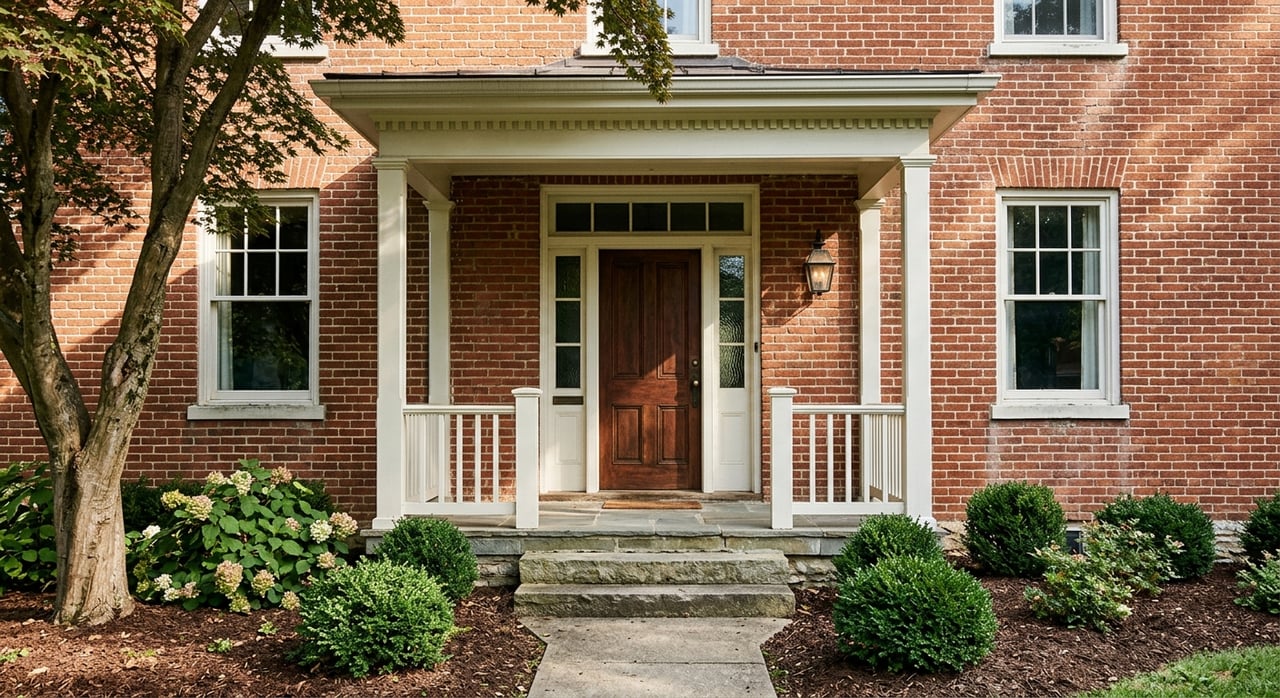
Many homes feature details that give them their identity and value. Common features described in historic documentation include bracketed cornices, decorative bargeboards, lacy trim, steep gables, mansard roofs, towers, wraparound porches, elaborate hoodmolds, and unusually shaped windows.
Because the level of ornament varies from block to block, it helps to focus on the home’s original features rather than just the age listed in the marketing remarks. A modest house may still be historically significant, and a more decorative house may come with greater repair complexity.
Ask these questions before you make an offer
When you are serious about a historic home, a few early questions can save you time and frustration later. These questions can help you understand both the property’s condition and the review process tied to it.
- Is the home inside the ARO district or another locally regulated historic area?
- Are there prior Certificates of Appropriateness, permits, or open violations for exterior work?
- Have the roof, gutters, siding, porch, or windows been repaired with matching materials, or replaced in a way that may need review?
- Is there evidence of chronic moisture intrusion in the basement, attic, around chimneys, or at window sills?
- Was the home built before 1978, and if so, has lead testing or lead-safe renovation been considered?
These are not small details. They can affect your renovation plans, your maintenance budget, and how quickly future projects can move forward.
Inspection priorities for a Lebanon historic home
Every home inspection matters, but older homes need an even more careful look. Historic buildings require ongoing maintenance, and moisture is one of the most common causes of deterioration.
That is why your pre-purchase attention should usually start with the roof, gutters, downspouts, masonry, foundation, porch structure, windows, and any signs of previous water intrusion. A standard inspection should also review plumbing and mechanical systems, which may have been updated at different times over the life of the home.
In practical terms, water management often tells the bigger story. A small gutter issue or failing flashing can lead to masonry damage, wood deterioration, interior staining, and more expensive repairs over time.
Why repair often matters more than replacement
Lebanon’s preservation standards emphasize retaining the historic character of a property. In many cases, deteriorated features should be repaired rather than replaced when possible, and original windows should be retained and repaired whenever practical.
The same general approach applies to roofs, gutters, porches, siding, and trim. The city’s standards also note that brick walls should not be covered with siding, painting brick is discouraged, decorative porch elements should remain uncovered, and box gutters should be preserved and repaired.
For buyers, this matters because the lowest-cost shortcut is not always the option that fits the local review process. If you buy a historic home in Lebanon, you should be prepared for projects that may require matching materials, more specialized labor, and a design approach that preserves visible character.
Budgeting for the real cost of ownership
Historic homes can be deeply rewarding to own, but they usually need a wider maintenance and renovation cushion than a similar newer house. Lebanon’s standards favor repair, matching visible details, and case-by-case review, which can increase project complexity.
That does not mean every old house becomes a major restoration project. It does mean you should plan for contingencies tied to custom millwork, masonry repairs, porch work, specialty roofing details, permit timing, and contractors with experience in older homes.
A smart way to approach the numbers is to separate your budget into three buckets:
- Immediate needs like roof drainage, structural repairs, or active moisture issues
- Near-term updates like porch stabilization, window repair, or exterior paint work where appropriate
- Longer-term improvements like additions or layout changes that may need more review and planning
This kind of planning helps you enjoy the home without feeling surprised by the first round of ownership costs.
Renovation rules to know in Lebanon
If the property is inside the ARO district, a Certificate of Appropriateness can be required for demolition, exterior alteration, or new construction. City materials also note that applicable city and Warren County permits must be in place before construction begins.
Lebanon’s code is not purely rigid. The city states that each project is reviewed individually, with flexibility for economic and technical feasibility, but the overall goal is still to retain and preserve the historic character of the property.
If you are considering an addition, the city’s standards say new work should be compatible with the building’s massing, size, scale, and architectural features. Additions should also be visibly differentiated from the old work and placed toward the rear or another less conspicuous location when feasible.
Choosing the right contractor matters
With a historic home, the right contractor is not simply the lowest bidder. You want someone who has real experience with historic windows, porches, masonry, roofing details, and lead-safe renovation practices for pre-1978 homes.
When you interview contractors, ask for examples of similar-era projects and a written scope of work that explains how they plan to handle visible materials and historic details. In Lebanon, that level of clarity can make a big difference when you are trying to align the project with city review standards.
A contractor who understands repair-first thinking can help you protect the home’s character while also making practical updates. That balance is often what makes a historic-home project feel manageable instead of overwhelming.
Lead paint is a key issue in older homes
If the home was built before 1978, lead-based paint should be part of your due diligence. Renovation work that disturbs old paint can create dangerous lead dust, which is why lead-safe work practices matter.
Buyer-side disclosure rules for most pre-1978 housing give purchasers the right to know whether lead-based paint hazards are present. If renovation is part of your plan, it is wise to ask whether lead testing has been done and whether any future work will be handled by lead-safe certified contractors.
This is especially important if your project includes window repair, sanding, scraping, trim replacement, or other work that disturbs painted surfaces. It is one more reason to build an experienced team before closing day.
Local resources that can help
Lebanon buyers do not have to figure this out alone. Several local and state resources can provide useful context as you evaluate a historic property and think through ownership responsibilities.
Helpful resources mentioned in local preservation materials include:
- Warren County Historical Society and Harmon Museum for Lebanon-focused history and research context
- Ohio History Connection State Historic Preservation Office for preservation planning support and technical assistance
- Warren County Building and Zoning Department as a local permit contact point in Lebanon
- The federal historic rehabilitation tax credit program for income-producing certified historic structures, which is not a blanket credit for every old house
These resources can help you ask better questions before you commit to a purchase or renovation plan.
Is buying a historic home in Lebanon worth it?
For many buyers, the answer is yes. A historic home can offer craftsmanship, architectural detail, and a sense of place that newer homes often cannot match.
The key is going in with a clear understanding of the property’s condition, local review requirements, and realistic ownership costs. When you buy with open eyes, a historic home in Lebanon can be a meaningful long-term investment in both lifestyle and property value.
If you are considering a historic home and want a clear picture of what to watch for before you buy, The Woehrmyer Team can help you navigate the process with local insight and steady guidance.
FAQs
What makes a home historic in Lebanon, Ohio?
- In Lebanon, a home may be considered historic because of its age, architecture, location in a documented historic district, or placement within a locally regulated area such as the Architectural Review Overlay.
What is the Architectural Review Overlay in Lebanon?
- The Architectural Review Overlay is a local review area where certain exterior changes, including some alterations, demolition, and new construction, can require a Certificate of Appropriateness before work begins.
Do National Register properties in Lebanon have federal renovation restrictions?
- National Register listing itself does not automatically impose federal restrictions on a private owner, but local Lebanon preservation rules may still regulate exterior work.
What should buyers inspect first in a Lebanon historic home?
- Buyers should pay close attention to the roof, gutters, downspouts, masonry, foundation, porch structure, windows, plumbing, mechanical systems, and any signs of past or ongoing moisture intrusion.
Can you replace windows in a historic home in Lebanon?
- Lebanon’s preservation standards say original windows should be retained and repaired whenever practical, so buyers should verify what review may be needed before planning replacement.
Do older homes in Lebanon come with lead paint concerns?
- If a home was built before 1978, lead-based paint is a potential concern, and any renovation that disturbs painted surfaces should be approached with lead-safe work practices.
Do additions on historic homes in Lebanon need approval?
- If the property is inside the ARO district, additions and other exterior work may require a Certificate of Appropriateness, and the design should be compatible with the existing structure while remaining distinguishable from the original building.
How should buyers budget for a historic home in Lebanon?
- Buyers should plan for a larger contingency than they might for a newer house because repair-first standards, matching materials, specialist labor, and permit timing can all affect cost and schedule.